
Pod Systems: Refillable and Closed Platforms
Two pod architectures on one manufacturing platform — choose by how you want to sell the liquid.
CigGo builds pod systems in two configurations. A closed pod ships prefilled and factory-sealed: your buyer sells a finished device, the pod is never opened, and every unit performs the same because it left the line sealed. An open (refillable) pod gives the user a fill port and replaceable pods, so the device becomes a recurring hardware purchase while your liquid carries the repeat revenue.
The shared platform behind both is deliberately conventional in the ways that matter for volume manufacturing: rechargeable cells, ceramic coils, auto-draw activation and Type-C charging across the M-series, with pod capacities from 1.8 ml to 2.5 ml. That common core is what lets a brand test one architecture and switch to the other without re-tooling its packaging line.
The refillable line is led by the M22 Refillable Pod System (1.8 ml PCTG pods, ceramic 1.0 Ω coil) and the Bysoul M23 open pod system (2.5 ml refillable pods, dual resistance options). The closed line covers the M20, M21, M22, M28 and M37 Bysoul platforms, plus the M35 and M30 pod systems — all prefilled, sealed and rechargeable.
Pod System models
10 factory-direct models in this family. MOQ 500 pcs, samples available.
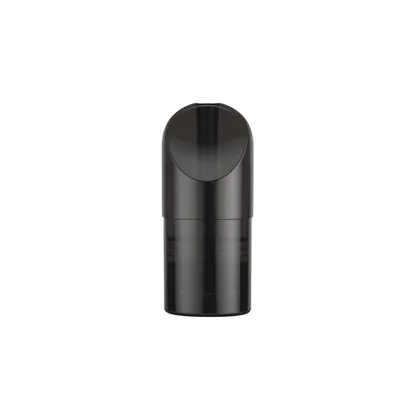
M22-R
Refillable 1.8 ml pods with ceramic 1.0 Ω coil and food-grade PCTG construction.
MOQ 500 pcs · Request FOB price →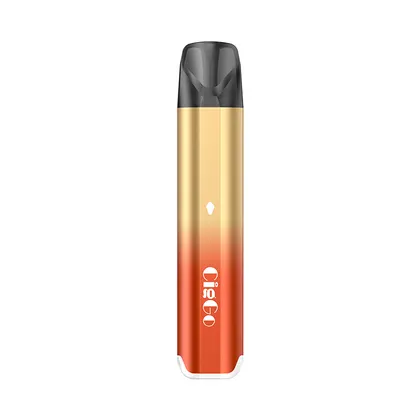
M23
Bysoul-styled open pod system: 2.5 ml refillable pods, dual resistance, 450 mAh battery.
MOQ 500 pcs · Request FOB price →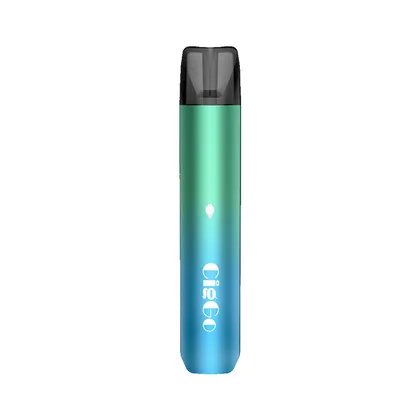
M21
Closed pod system with 450 mAh battery and vibration feedback when a pod clicks in.
MOQ 500 pcs · Request FOB price →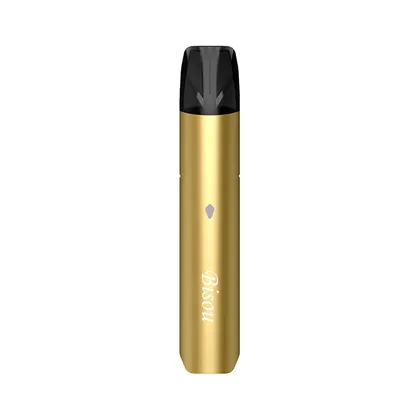
M20
Rechargeable closed pod system with 450 mAh battery, ceramic coil and Type-C charging.
MOQ 500 pcs · Request FOB price →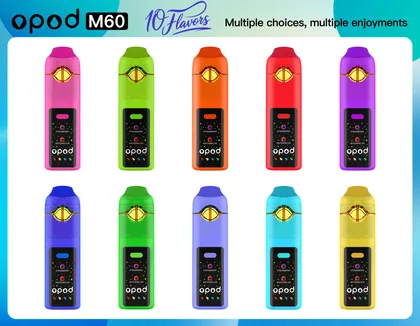
M60
Dual 1 ml glass chambers with ceramic coils and switchable fire — runs as a disposable or replaceable-pod device.
MOQ 500 pcs · Request FOB price →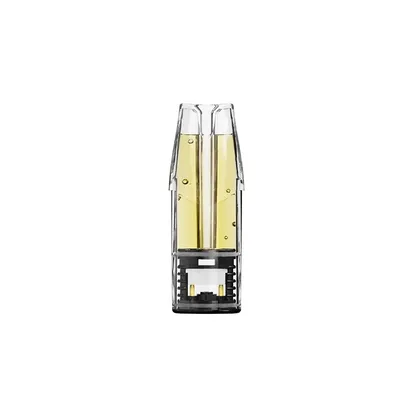
M35
M-series pod system built for your flavor line — sealed pods, rechargeable device.
MOQ 500 pcs · Request FOB price →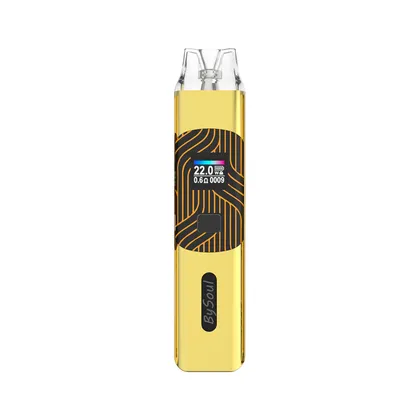
M37
Flagship Bysoul pod: 23 W output, 750 mAh, 0.42″ OLED, RGB light and adjustable airflow.
MOQ 500 pcs · Request FOB price →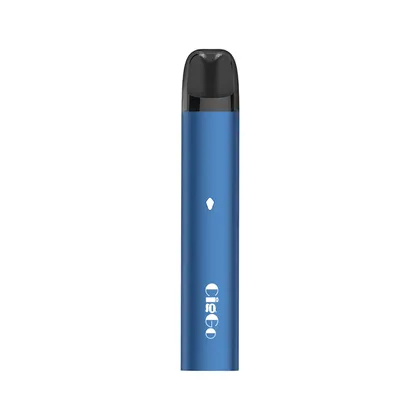
M28
Second-generation Bysoul closed pod system: 450 mAh, ceramic coil, Type-C charging.
MOQ 500 pcs · Request FOB price →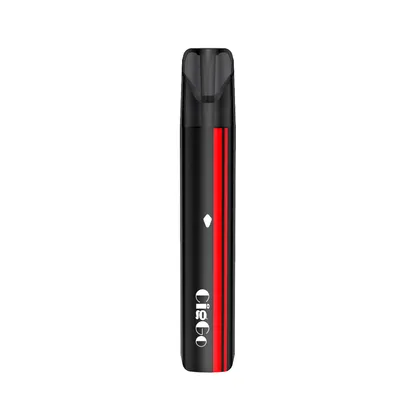
M22
The base closed pod platform: 450 mAh, ceramic coil, auto-draw and Type-C charging.
MOQ 500 pcs · Request FOB price →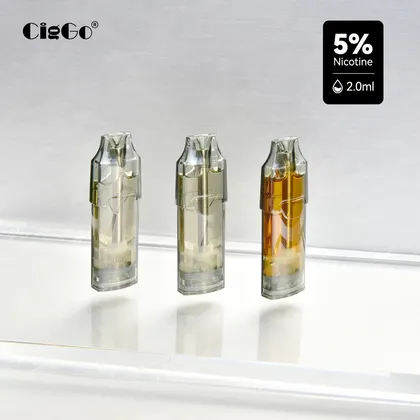
M30
M-series pod system — specifications pending factory confirmation; inquire for the current data sheet.
MOQ 500 pcs · Request FOB price →Refillable vs closed: which fits your brand
Closed pod systems suit brand owners who want a finished SKU: one device, one flavour, one barcode, no liquid handling in the channel. They are also the simpler compliance story in markets that treat a prefilled pod as a sealed consumer product. The trade-off is that pods are consumables you must keep in stock — the pod supply chain, not the device, is what retains the customer.
Refillable pod systems suit liquid brands and markets where the buyer already sells e-liquid: the device is a one-off purchase, the pod is replaceable, and the customer returns for liquid rather than for hardware. They also fit 2 ml regulatory ceilings well, because pod capacity rather than device capacity becomes the constraint. The trade-off is that fill quality, viscosity and coil compatibility now sit partly in the customer’s hands.
If you are unsure, order samples of both architectures and run them through your own flavour line before committing tooling. The pod interface — fill port, seal, coil resistance — is where the two products really differ, and it is the part a buyer can evaluate in a week of testing.
OEM/ODM on pod platforms
Standard OEM work covers logo printing on device and retail box, custom colourways, packaging structure and language variants. ODM work goes deeper: pod resistance and coil specification, fill method and port placement, device height and battery capacity, and the flavour line the pods are filled with.
Every pod system is assembled in the 6,000 m² dust-free workshop in Shenzhen under an ISO 13485:2016-certified quality management system, with outgoing AQL inspection by a QC team with 13+ years of experience. Devices carry a 3–6 month warranty against manufacturing defects. Standard MOQ is 500 pcs and negotiable for first orders; samples ship in 1–3 working days, bulk orders in 7–15 working days, and OEM orders 10–25 days after sample confirmation.
Frequently asked questions
What is the difference between a refillable pod and a closed pod?
A refillable (open) pod has a fill port: the user adds liquid and replaces the pod when the coil wears out. A closed pod is prefilled and sealed at the factory, so the user replaces the whole pod and never handles liquid. Refillable suits liquid brands; closed suits brands selling finished devices.
Which CigGo pod systems are refillable?
The M22 Refillable Pod System (1.8 ml pods, ceramic 1.0 Ω coil) and the Bysoul M23 open pod system (2.5 ml refillable pods) are the open refillable platforms. The M20, M21, M22, M28, M35, M37 and M30 are closed prefilled systems.
What is the MOQ for a pod system order?
Standard MOQ is 500 pcs per model and negotiable for first orders. Mixed-model trial orders are possible — confirm the current terms with sales before planning your first purchase order.
Can we print our logo on the device and the retail packaging?
Yes. OEM covers logo printing on the device and retail box, custom colourways, and packaging structure and language variants. ODM can also change pod resistance, fill method, device height and battery capacity once volumes justify tooling.
Do you supply replacement pods separately from the devices?
Yes. Pods are supplied as a separate line item, in your packaging if required, so the channel can restock consumables without reordering devices. Pod pricing depends on capacity, coil specification and fill status.
Buyer guides
- How to Choose a Pod System for OEM/ODM Production — A practical specification order for pod-system OEM/ODM: market ceiling first, then architecture, pod capacity, coil, battery, fill method, tooling and packaging.
- CBD Pod Systems: Open vs Closed Hardware — Cannabis oil is not e-liquid, so CBD pod hardware has to be specified differently. Open versus closed CBD pods, ceramic and postless tanks, capacity and filling — what buyers should compare.
- Refillable vs Closed Pod Systems: Which Fits Your Brand? — Refillable and closed pod systems are two different businesses built on similar hardware. How unit economics, compliance and operations decide which one your brand should sell.
- TPD-Compliant Pod Systems: What EU Buyers Must Specify — A buyer's guide to TPD-compliant pod systems: the 2 ml and 20 mg/ml ceilings, child-resistant and tamper-evident requirements, notification documents, and the specifications that survive review.